
Food & Drink Packaging Design for Startups in the UK
If you’re launching a food or drink brand, your packaging is often the first real interaction customers have with your product — and in many cases, the deciding factor in whether they buy it.
In crowded UK retail and e-commerce environments, packaging has to do far more than look good. It needs to communicate clearly, stand out instantly, and persuade customers within seconds.

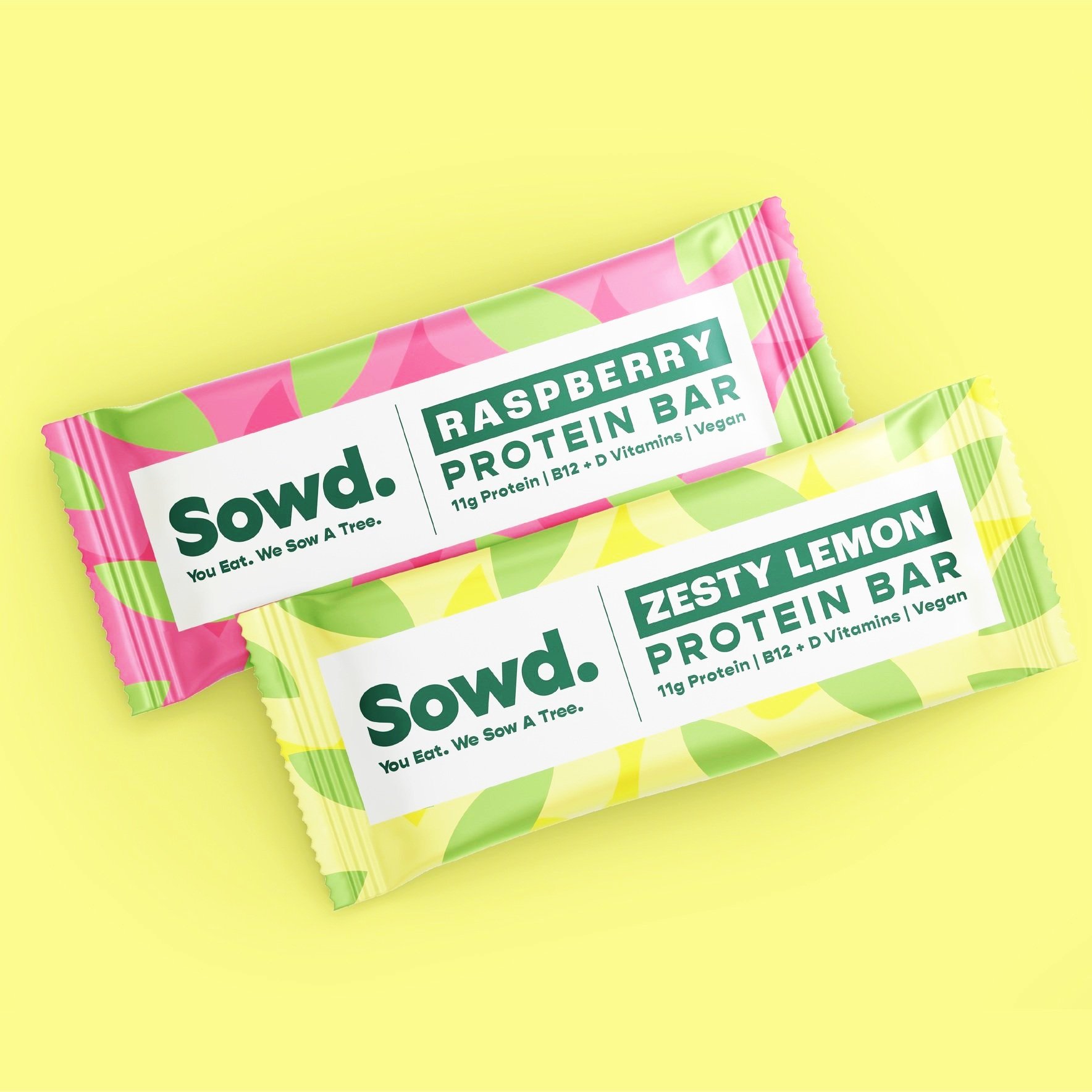
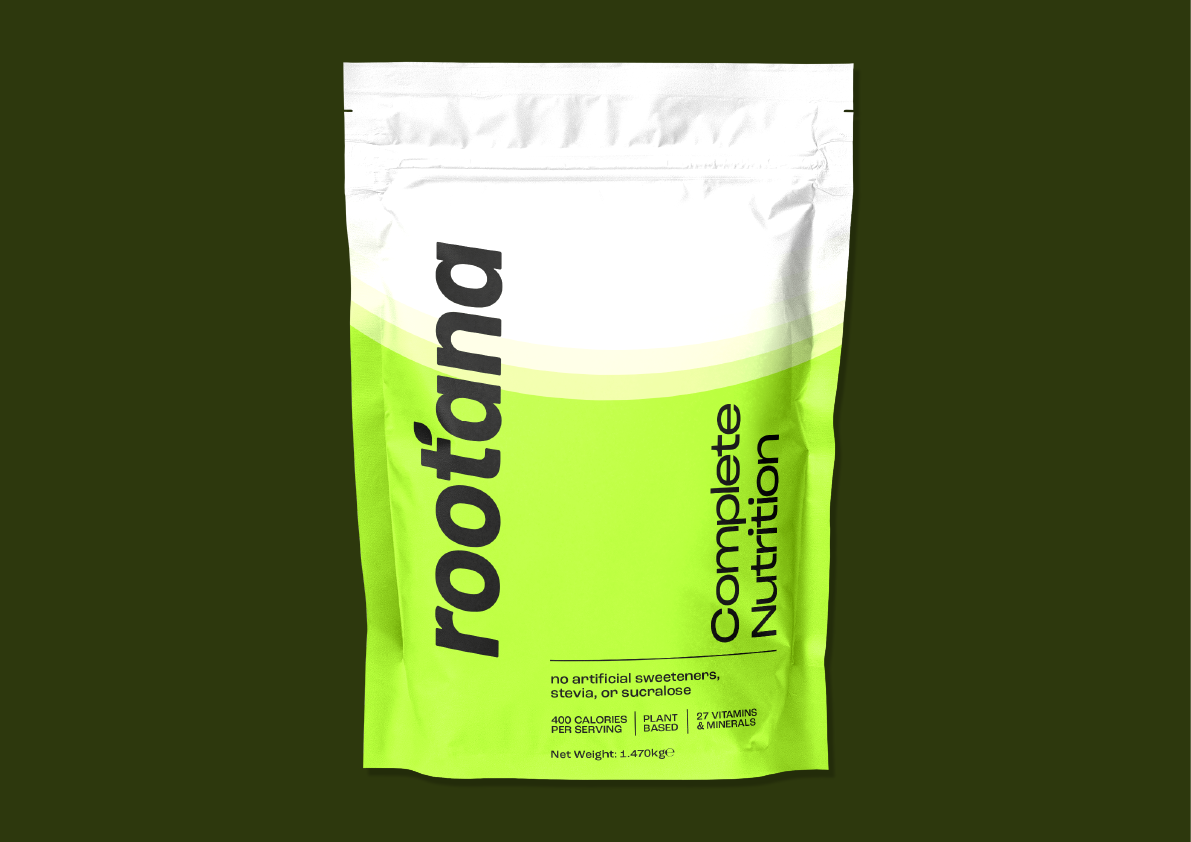
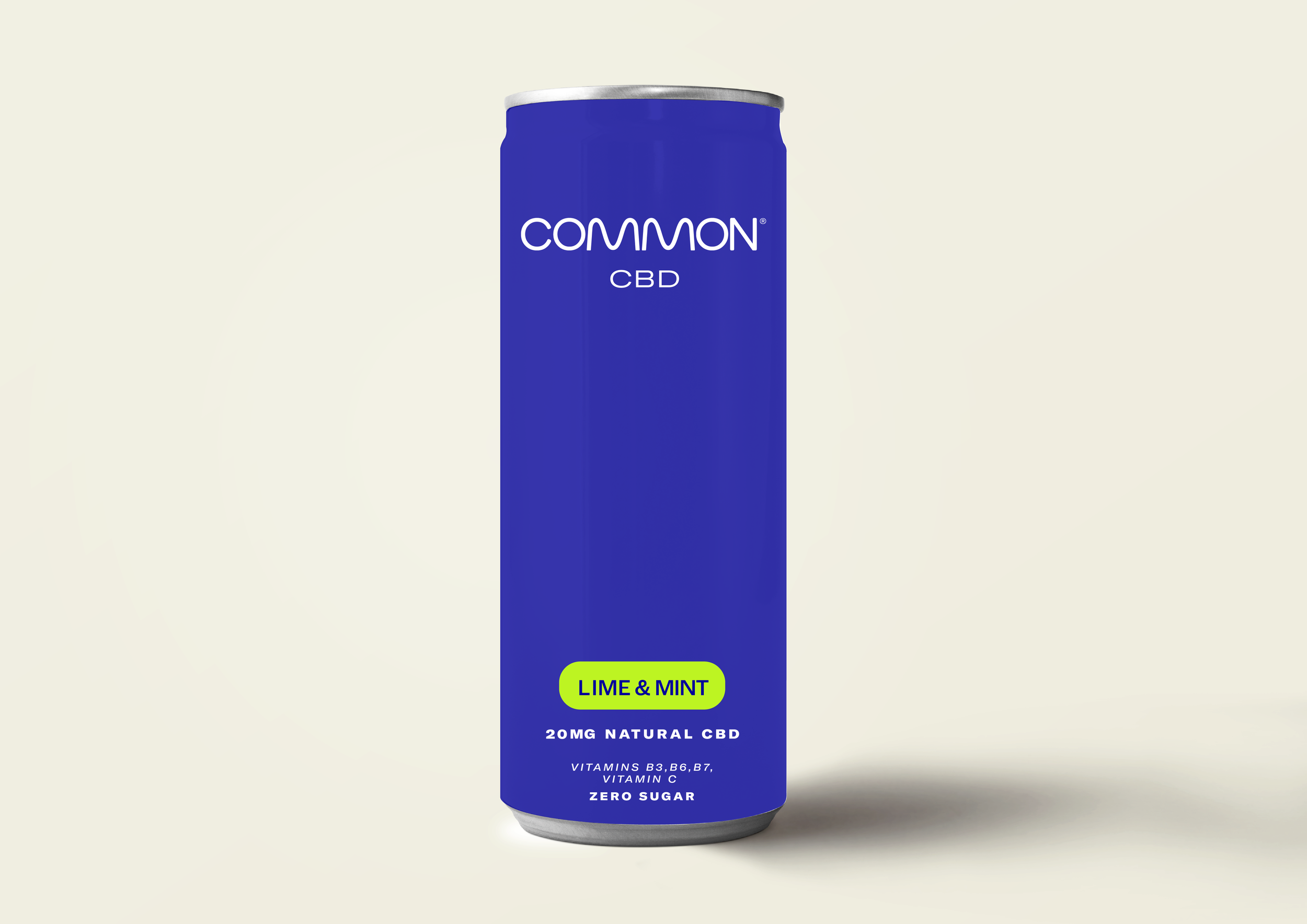
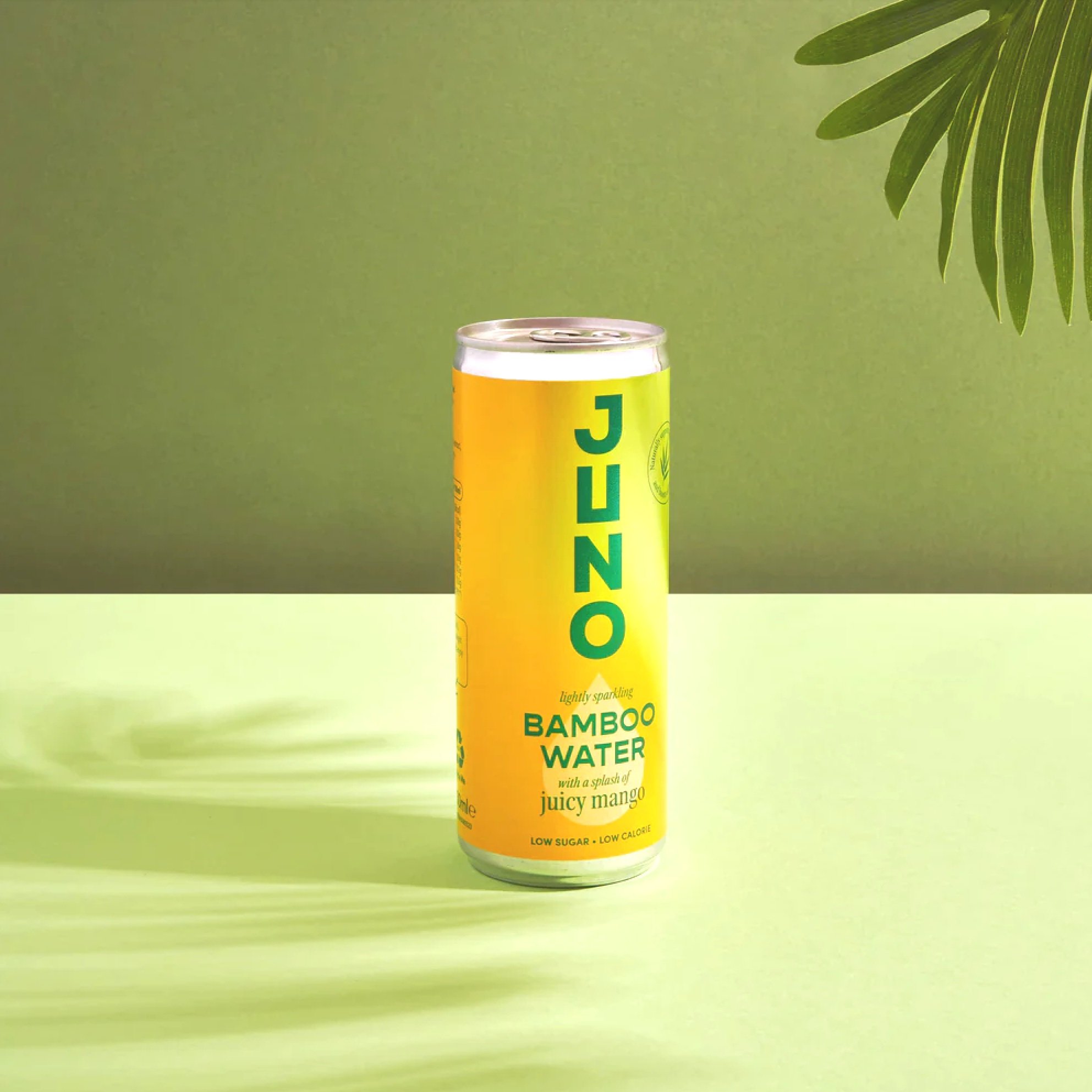
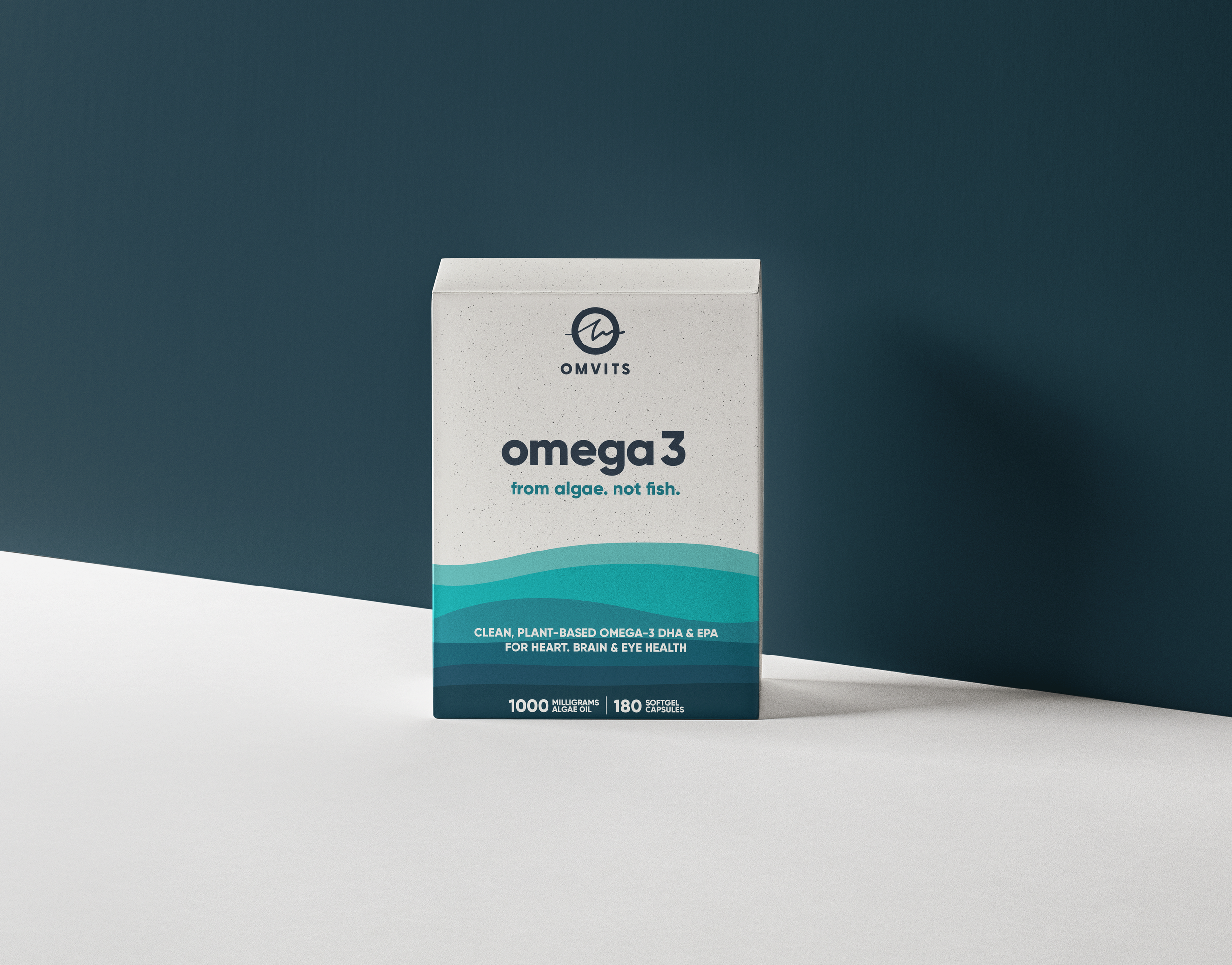
I’m Dave - a UK-based freelance packaging designer specialising in food and drink packaging design for startups and growing FMCG/CPG brands. With over 10+ years of experience, I help founders and brands create packaging design that performs in real-world retail environments — not just on screen.
My focus is simple: packaging that gets products noticed, understood, and chosen.
Explore my packaging design portfolio
View my branding and packaging design services
What is food & drink packaging design?
Food and drink packaging design is the strategic combination of branding, structure, typography, colour, messaging, and production thinking that turns a product into something ready for market.
For FMCG startups, packaging plays a direct commercial role in:
Attracting attention on shelves and online listings
Communicating product type, flavour, and value instantly
Building trust with first-time buyers
Increasing conversion in retail environments
Good packaging design doesn’t just decorate a product — it sells it.
Why good food & drink packaging design matters for startups
For early-stage food and beverage founders and brands, branding and packaging design often replaces traditional marketing.
Without large budgets or awareness, your packaging has to do the selling.
Strong packaging design and branding helps you:
Compete and stand-out against established food and drink/FMCG brands
Communicate product quality in seconds
Build emotional connection instantly
Drive conversions across retail and ecommerce
Learn more about branding for food and drink startups
What makes effective food and drink packaging design?
Shelf standout
Your packaging design must capture attention instantly in physical and digital environments.
Strong colour contrast
Confident typography
Clear brand architecture
Distinct visual identity
Clarity and hierarchy
Customers should understand your product in seconds.
Brand name immediately visible
Product type instantly clear
Flavour/benefit easy to read
See food packaging label design examples
Differentiation
Many startups and brands unintentionally blend into their category.
Strong packaging design helps you:
Stand out while staying category relevant
Build long-term recognition
Avoid competing on price alone
Emotional connection
Great packaging design reflects brand personality and audience mindset.
Premium positioning
Functional credibility
Lifestyle appeal
Playful or disruptive tone
Food & drink packaging design in the UK
The UK FMCG market is highly competitive, with thousands of new products launching every year across supermarkets, independents, and ecommerce platforms.
Successful packaging design must balance creativity with clarity — ensuring products stand out while still feeling credible within their category.
Drink packaging in particular requires strong shelf impact, clear hierarchy, and distinctive branding systems that cut through saturated categories.
View beverage packaging design projects
Explore health & wellness packaging design
My approach to FMCG packaging design
My packaging design approach combines brand strategy, consumer behaviour, and real-world FMCG retail thinking.
Rather than focusing purely on aesthetics, I design packaging around how customers actually make purchasing decisions — whether in supermarkets, independents, or ecommerce platforms.
This includes:
Category and competitor analysis
Shelf visibility and attention behaviour
Consumer psychology and decision speed
Print production and manufacturing constraints
The goal is always the same: design that performs commercially, not just visually.
Packaging design for retail vs ecommerce
Retail packaging design
In-store, you have seconds to stand out.
Shelf visibility
Distance readability
Range consistency
Ecommerce packaging design
Online, packaging is often seen as a thumbnail first.
Small-size clarity
Mobile readability
Instant recognition
Learn more about ecommerce packaging design
Common packaging design mistakes
Overloading information reduces clarity
Copying competitors reduces visibility
Ignoring target audience reduces connection
Overcomplicating systems reduces impact
Ignoring production leads to costly issues
Packaging design services
I help food and drink startups develop packaging that is strategically positioned and commercially effective.
Services include:
Brand identity design
FMCG packaging design (labels, cartons, bottles, cans, pouches, boxes)
Product range systems
Visual direction for launches
Print-ready production files
View full packaging design services
My simple packaging design process
- Discovery
Understanding design brief - product, audience, and market
- Brand direction
Defining positioning and visual strategy
- Concept development
Exploring creative design directions
- Refinement
Developing strongest commercial route
- Production
Final print ready artwork for manufacturing
Industries I work with
drink/Beverage brands
Functional drinks, energy drinks, juice, water, soft drinks, dairy, protein, alcohol/RTD (and low and no alcoholic drinks) and more
View beverage packaging design
Food brands
Snacks, ambient foods, fresh/frozen, dairy - FMCG/CPG and more
Explore food packaging design work
Health & wellness brands
Supplements, functional food, and wellness products and more
View wellness packaging design
Packaging design costs in the UK
Costs depend on:
Number of SKUs
Packaging formats
Level of brand strategy
Complexity and type of design style
Read more about working with a freelance packaging designer
Who this service is for
This service is ideal if you are:
Launching a food or drink brand in the UK
Preparing for retail or ecommerce launch
Rebranding an FMCG product
Struggling to stand out in your category
Improving conversion at shelf or online
Frequently asked questions
Do you only work with UK clients?
No — I work with UK and international FMCG/CPG brands launching into UK, Europe, and US markets.
Do you design RETAIL and supermarket-ready packaging?
Yes — all work is created with retail and FMCG/CPG standards in mind.
Can you design full product ranges for multiple SKUS?
Yes — I can create scalable systems across multiple SKUs and product ranges.
Do you help with print production?
Yes — all artwork is print-ready.
What packaging formats do you design?
Labels, cartons, bottles, cans, pouches, and full FMCG/CPG systems.
How long does a project take?
Typically a few weeks depending on scope.
Work with me
If you’re launching a food or drink brand and need packaging design that performs in competitive retail and e-commerce environments, I can help create packaging that gets products noticed, trusted, and chosen.
Get in touch about your packaging design project
H1: Food & Drink Packaging Design for Startups in the UK
If you’re launching a food or drink brand, your packaging is often the first real interaction customers have with your product — and in many cases, the deciding factor in whether they buy it or not.
In crowded UK retail and ecommerce environments, packaging has to do far more than look good. It needs to communicate clearly, stand out instantly, and persuade customers within seconds.
For startups especially, packaging becomes your most important commercial asset. Before advertising, before social media, before brand awareness — packaging is what actually sells the product.
Unlike larger FMCG brands that rely on recognition and distribution, startups rely almost entirely on packaging to do the heavy lifting at point of sale.
This page is a complete guide to food and drink packaging design for startups in the UK — covering strategy, design systems, formats, regulations, consumer behaviour, retail dynamics, ecommerce performance, and real-world launch considerations.
H2: I’m Dave — Freelance Packaging Designer for Food & Drink Brands
I’m a UK-based freelance packaging designer specialising in food and drink packaging design for startups and growing FMCG and CPG brands.
Over the last 10+ years, I’ve worked across retail and startup environments helping founders develop packaging that is not only visually strong, but commercially effective in real-world selling environments.
That distinction matters.
Many packaging projects focus purely on aesthetics. My focus is on packaging that performs — meaning it improves:
shelf visibility
product clarity
perceived value
purchase confidence
brand differentiation
In FMCG, design is not decoration. It is conversion strategy.
👉 View my packaging design portfolio
👉 Explore my branding and packaging design services
H2: What is Food & Drink Packaging Design?
Food and drink packaging design is the process of creating a complete visual and structural system that communicates a product’s identity, function, and value — while also meeting strict production and legal requirements.
It sits at the intersection of:
branding and visual identity
product marketing
industrial design
consumer psychology
regulatory compliance
manufacturing constraints
Unlike general graphic design, packaging must perform in physical environments where attention is limited and competition is immediate.
A successful packaging system must answer three questions instantly:
What is this product?
Who is it for?
Why should I choose it over others?
If those answers are not immediate, the product is usually skipped — regardless of quality.
H3: Packaging as a communication system
Packaging is not a single design surface. It is a layered communication system made up of:
front-of-pack messaging
structural form
typography hierarchy
colour psychology
material choice
legal information layout
Each layer contributes to how quickly a customer understands and trusts the product.
H3: Packaging as a commercial tool
For startups, packaging often replaces:
advertising
brand awareness campaigns
sales messaging
product education
It must therefore perform multiple roles at once — which is why strategic design matters more than purely aesthetic decisions.
👉 See food & drink packaging design examples
(/portfolio)
H2: Why Packaging Design Is Critical for Startups
Startups operate in a fundamentally different environment from established FMCG brands.
There is no existing trust, no recognition, and no customer familiarity.
This means packaging must carry the full weight of first impression.
H3: No recognition = higher pressure on design
A well-known brand can afford weaker packaging because consumers already trust it.
A startup cannot.
Every design decision directly impacts:
whether the product is noticed
whether it is understood
whether it is trusted
whether it is purchased
H3: Packaging is your first sales pitch
At shelf level or online, you typically have only a few seconds to communicate value.
Customers do not read packaging in detail — they scan it.
This makes packaging a decision-making trigger, not an informational document.
H3: Competing in saturated FMCG categories
Most food and drink categories in the UK are overcrowded:
protein snacks
soft drinks
health foods
sauces
coffee and tea
supplements
In these environments, products are visually competing side-by-side with established brands and supermarket own-label ranges.
Without strong differentiation, most products visually disappear.
H3: Packaging directly affects perceived value
Consumers use packaging as a shortcut for judging:
quality
price level
trustworthiness
product type
This is why two identical products can perform completely differently depending on packaging design.
👉 Learn more about branding strategy
(/services/branding-design)
H2: How Food & Drink Packaging Design Works (Full Process)
Packaging design is not a single creative task — it is a structured system development process.
H3: 1. Market and category analysis
Before design begins, it is essential to understand:
category conventions
competitor visual language
shelf patterns
pricing structures
consumer expectations
This defines whether you align with or disrupt the category.
H3: 2. Brand positioning
Positioning defines everything that follows.
Key decisions include:
premium vs accessible
functional vs indulgent
health-focused vs lifestyle
mass market vs niche
Without this clarity, packaging becomes inconsistent and ineffective.
H3: 3. Packaging structure selection
The physical format determines design constraints and opportunities.
Examples include:
bottles and jars
cans
cartons
pouches
sachets
tubs
labels
Each has different shelf behaviour and consumer expectations.
H3: 4. Visual identity system development
This includes building:
typography systems
colour frameworks
layout grids
iconography or illustration styles
brand hierarchy rules
SKU variation systems
This ensures consistency across product ranges.
H3: 5. Regulatory integration (UK compliance)
UK food packaging must legally include:
ingredients list
allergen declarations
nutritional information
weight/volume
storage instructions
barcode and traceability data
manufacturer details
These must be designed into the system, not added afterwards.
H3: 6. Production artwork and print execution
Final stage includes:
dieline application
print-ready file setup
material specification
supplier communication
proofing and colour accuracy checks
This stage ensures what is designed can actually be manufactured correctly.
H2: Packaging Formats Explained in Depth
Different formats are not just production choices — they influence brand perception.
H3: Labels
Labels are widely used in early-stage FMCG because they allow flexibility and fast market entry.
They are particularly common in:
drinks
sauces
oils
supplements
They also allow iterative product testing without high production investment.
However, label design must still feel intentional and integrated, not temporary.
H3: Flexible packaging (pouches & sachets)
One of the fastest-growing FMCG formats in the UK.
Used for:
snacks
protein products
functional foods
coffee
health products
Advantages include:
low material usage
strong scalability
efficient logistics
high shelf efficiency
The challenge is differentiation — because many brands use similar structures.
H3: Cartons and folding boxes
Cartons are typically used for brands where storytelling and unboxing experience matter.
Common in:
ecommerce brands
premium FMCG
subscription products
gifting formats
They provide more space for narrative, branding, and hierarchy.
H3: Glass, aluminium, plastic
Material selection strongly influences brand perception:
Glass → premium, natural, artisanal
Aluminium → modern, recyclable, beverage-led
Plastic → cost-effective, scalable, mass market
Material choice is a strategic branding decision, not just a production one.
H2: Sustainability in Packaging Design
Sustainability is now a core expectation in UK FMCG markets.
However, effective sustainability is often misunderstood.
It is not just about switching materials — it is about system design.
H3: What sustainable packaging actually includes
recyclable material selection
reduced packaging layers
mono-material design where possible
efficient transport weight
reduced waste in production
lifecycle thinking (end-of-use impact)
H3: Startup constraints
Startups must balance:
sustainability expectations
cost limitations
production feasibility
shelf impact
brand positioning
This is often a compromise-driven decision-making process.
H2: UK Food Packaging Regulations (Detailed Overview)
Food packaging compliance is legally required and non-negotiable.
Core requirements include:
ingredient declarations
allergen highlighting (emphasised)
nutrition panels (per 100g/ml)
weight/volume declarations
storage and usage instructions
barcode systems
traceability and manufacturer information
Design must accommodate these without reducing clarity or visual hierarchy.
Poor integration can make even strong branding feel cluttered or untrustworthy.
H2: Retail vs Ecommerce Packaging Behaviour
Packaging must perform differently depending on where it is seen.
H3: Retail behaviour
In physical retail environments:
customers scan quickly
comparison happens in groups
decisions are made in seconds
shelf positioning affects visibility
Key priorities:
instant clarity
strong differentiation
readable hierarchy
visual contrast
H3: Ecommerce behaviour
In ecommerce:
packaging is seen as a thumbnail
comparison is immediate
attention span is minimal
product grids dominate
Key priorities:
small-scale legibility
strong identity recognition
simplified visual systems
clear product naming
👉 View ecommerce packaging examples
(/portfolio)
H2: What Makes Successful Food & Drink Packaging
Successful packaging consistently delivers on four principles:
H3: Clarity
Instant understanding of product purpose.
H3: Differentiation
Clear separation from competitors in the same category.
H3: Hierarchy
Control over what the customer sees first, second, and third.
H3: Emotional positioning
A defined feeling or personality:
premium
healthy
indulgent
functional
natural
H2: How to Launch a Food or Drink Brand (Packaging Perspective)
Successful launches require structured decision-making.
H3: Positioning first
Define category position before design.
H3: Competitive mapping
Understand how competitors visually communicate.
H3: Design strategy selection
Decide whether to:
align with category norms
or disrupt them intentionally
H3: System thinking
Design packaging that scales across future products.
H3: Production awareness
Ensure feasibility before final design approval.
H2: Packaging Design Costs in the UK
Packaging costs vary depending on:
number of SKUs
packaging complexity
level of strategic input
regulatory requirements
production readiness
For startups, packaging should always be viewed as a revenue-driving investment, not a design cost.
Strong packaging directly impacts:
conversion rates
retail success
pricing power
brand perception
H2: Common Packaging Mistakes Startups Make
Many early-stage brands fail due to avoidable issues:
overcomplicated design systems
unclear product messaging
ignoring category conventions
weak hierarchy
poor shelf readability
designing without production constraints
Simple, clear systems consistently outperform decorative complexity in real FMCG environments.
H2: Work With Me
If you’re launching a food or drink brand and need packaging design that performs in competitive retail and ecommerce environments, I can help create packaging systems that get products noticed, trusted, and chosen.
👉 Get in touch about your packaging design project
(/services)